
Engine Wear and Maintenance (CNG Natural Gas Vehicle vs. Gasoline Vehicle Comparison) - Personal Opinion for Reference Only
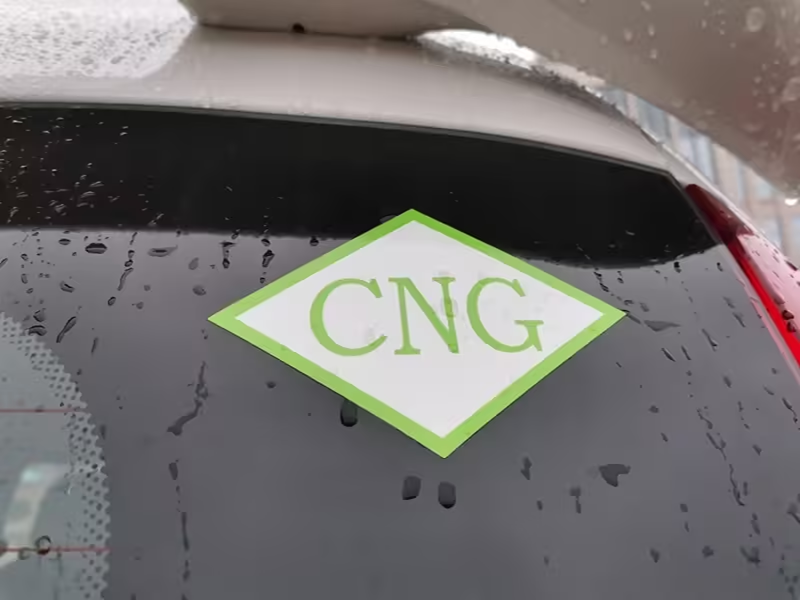
01. Differences in Engine Wear Due to Natural Gas Combustion Characteristics
CNG Natural Gas Vehicles: Natural gas combustion has a higher flame temperature, subjecting engine valves and cylinder heads to high-intensity heat loads over extended periods. Continuous operation can easily lead to thermal deformation of metal components. Furthermore, gaseous fuels lack the lubrication of liquid oil, resulting in faster wear on intake valves and valve seats.
Traditional Gasoline Vehicles: Gasoline combustion temperatures are relatively mild, resulting in more even wear distribution within the engine. However, gasoline combustion easily produces gum and carbon deposits, which accumulate on pistons, fuel injectors, and intake manifolds. Regular professional carbon cleaning is necessary; otherwise, cylinder wear and power reduction will be accelerated.
02. Differences in Overall Engine Lifespan Between the Two Vehicle Types
CNG Vehicles: Engines originally designed for natural gas have a theoretical lifespan of 8-10 years. Vehicles converted to natural gas later have significantly reduced engine lifespan, generally only 6-8 years.
Gasoline Vehicles: The average lifespan of a conventional gasoline passenger car engine is 10-15 years. With higher mileage, transmission components such as the timing belt and timing chain age faster, requiring timely inspection and replacement to prevent serious engine damage from timing failures.
03. Lubrication System Oil Change and Maintenance Plan
CNG Natural Gas Vehicles: The fuel is gaseous natural gas, which does not mix into the engine oil and dilute it during combustion. Oil performance deteriorates slowly, and the oil change interval can be extended to over 10,000 kilometers. Using a dedicated natural gas engine oil provides even better results.
Traditional Gasoline Vehicles: During cold starts and short-distance driving, gasoline can easily seep into the crankcase, contaminating the engine oil, damaging its lubricating and antioxidant properties, and shortening the lifespan of engine parts. It is recommended to change the engine oil and oil filter every 5,000-7,000 kilometers.
Supplementary Maintenance Summary
Key maintenance points for CNG engines: Regularly check valve seals, control engine high temperature, and use gas-specific lubricating oil;
Key maintenance points for gasoline engines: Strictly control oil change intervals, regularly clean carbon deposits, and maintain timing transmission components on time.