
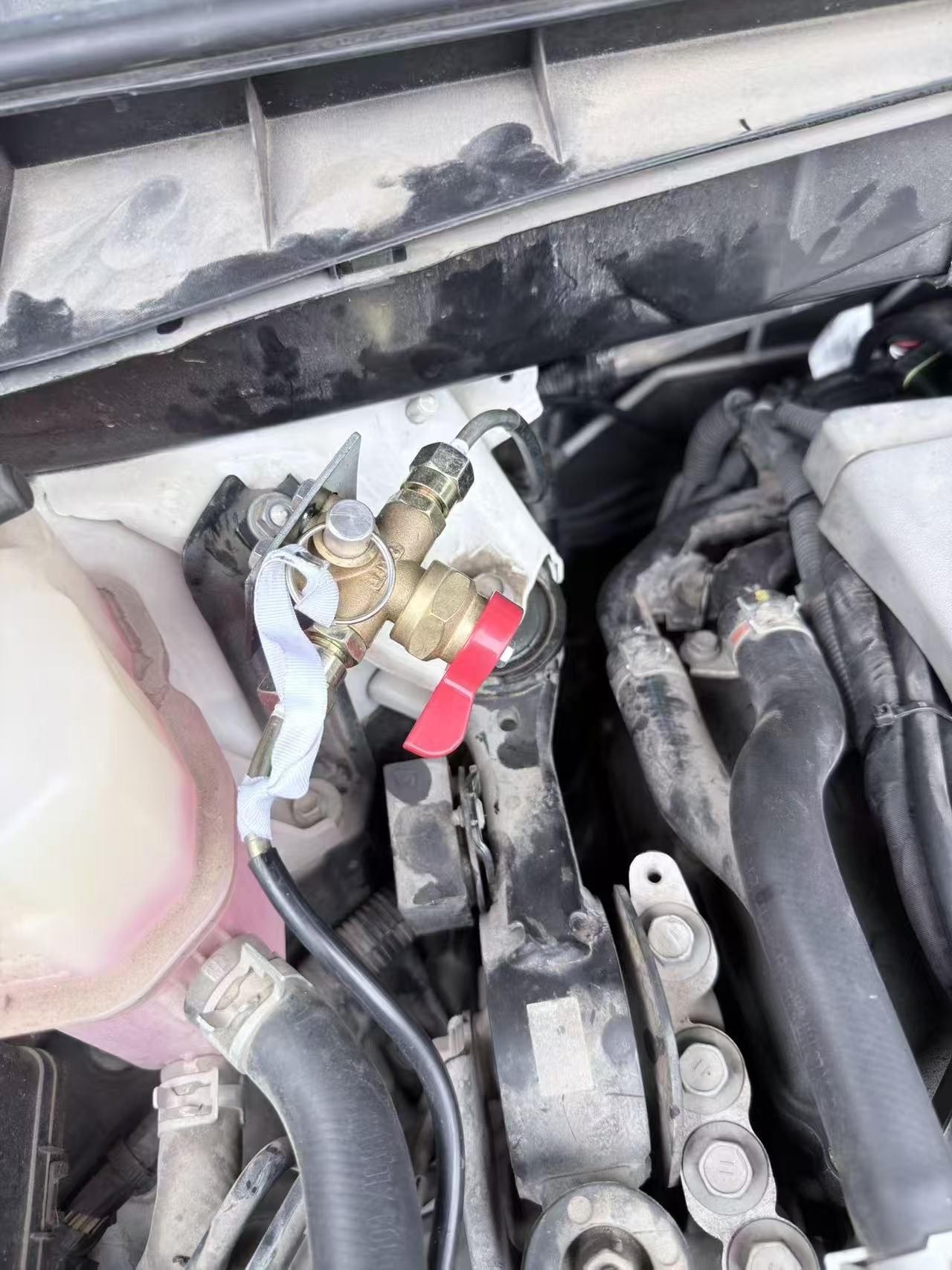
The core approach to resolving unstable idle speed caused by a CNG pressure regulator is to first eliminate physical faults (such as gas leaks, blockages, or heating failures), then fine-tune the idle adjustment screw using the "tighten to vibration, then loosen to stability" method while matching the power valve. If adjustments fail, the internal diaphragm or filter cartridge must be replaced.
Core Diagnostic and Troubleshooting Steps
1. Rule Out Non-Adjustment Mechanical Failures
Before adjusting any screws, check for physical defects:
Freezing/Icing: Check if the pressure regulator is cold or freezing. Ensure the engine coolant is circulating properly through the regulator's heating chamber.
Damaged Diaphragm: A ruptured first- or second-stage diaphragm will cause massive pressure fluctuations.
Clogged Filters: Check if the low-pressure or high-pressure CNG filters are blocked by oil or debris.
Debris Blockage: Check if metal shavings or carbon deposits are clogging the valve nozzle.
Air/Gas Leaks: Check for vacuum leaks in the intake manifold or internal gas leaks in the regulator using soapy water.
Multi-Point CNG Pressure Regulator Tuning Guide
Step 1: Pre-setting the System
Keep the throttle valve (accelerator) position completely steady. Manually adjust both the idle electromagnetic valve and the power valve (high-speed flow valve) to bring the engine to its highest possible idle speed.
Step 2: Tweaking the Idle Screw
Slowly adjust the idle adjustment screw (usually marked "IDLE") to gradually lower the engine speed until it reaches the lowest stable RPM without stalling.
Step 3: Iterative Balancing
Repeat the adjustment cycle between the idle screw and the power valve. Through this iterative tuning, you will find the absolute lowest stable idle speed under CNG mode. This ensures the engine idles smoothly and transitions seamlessly between gasoline and CNG.
Phase I: Pre-Adjustment Preparation
To safely adjust the CNG regulator's idle speed, ensure the vehicle is prepared as follows:
Tools Check: Prepare basic hand tools (such as flathead/Phillips screwdrivers, Allen keys) and a gas pressure gauge.
Environment Check: Perform the adjustment in a well-ventilated outdoor area. Turn off the engine and check for gas odors.
Safety Inspection: Ensure there are no active CNG gas leaks, and check that all vacuum and gas hoses are tightly clamped and undamaged.
Phase II: Step-by-Step Idle Adjustment
Once the prep work is complete, follow these steps to adjust the idle speed:
Locate the Screw: Find the idle adjustment screw on the CNG regulator body (typically labeled "IDLE" or "MIN").
Warm Up the Engine: Start the engine on gasoline first, let it reach normal operating temperature, and then switch it to CNG.
Adjust and Monitor: While watching the dashboard tachometer, slowly rotate the idle screw.
Clockwise rotation typically leans the mixture or increases the idle speed (depending on the regulator design).
Counter-clockwise rotation typically richens the mixture or lowers the idle speed.
Target Range: Find the sweet spot where the engine runs smoothest. The ideal idle speed range is usually between 650 to 800 RPM (or according to your vehicle's OEM specifications).
Phase III: Post-Adjustment Validation
After completing the adjustment, perform these validation tests to ensure the problem is solved:
Stability Test: Observe the tachometer at idle. The needle should remain steady with fluctuations of no more than ± 50 RPM.
Road Test: Take the vehicle for a test drive. Pay attention to low-speed drivability, throttle transitions, and deceleration to ensure the vehicle does not stall when pressing the clutch or coming to a stop.
Troubleshooting Re-calibration: If the engine backfires, hesitates, or stalls during the test drive, the mixture is likely too lean or too rich. Re-calibrate the idle and sensitivity screws.
Frequently Asked Questions (FAQ)
Q1: Why does my CNG regulator freeze or get covered in frost?
A: When high-pressure CNG (200 bar) decompresses to low pressure, it absorbs a massive amount of heat (the Joule-Thomson effect). If the engine coolant hoses connected to the regulator are clogged, pinched, or have air pockets, the regulator will freeze. This causes the internal rubber diaphragm to stiffen, leading to severe idle instability or engine stalling. Ensure your coolant level is full and the heating lines are clear.
Q2: What is the difference between the "Idle Screw" and the "Sensitivity Screw"?
A: The Idle Screw (IDLE/MIN) controls a constant, bypass flow of gas to keep the engine running when the throttle is completely closed.
The Sensitivity Screw (SENS) adjusts the spring tension against the diaphragm. It determines how easily the regulator responds to the engine’s intake vacuum when you press the accelerator.
Q3: How often should I drain the oil from my CNG regulator?
A: CNG gas contains trace amounts of heavy compressor oil. Over time, this oil accumulates inside the regulator, coating the diaphragm and clogging the idle passages. You should drain this oil (usually via a drain plug at the bottom of the regulator) every 10,000 to 15,000 km to maintain a stable idle.
Q4: I have adjusted the idle screw, but the RPM still fluctuates wildly. What is wrong?
A: If adjusting the screw makes no difference, you likely have one of the following:
An unmetered air leak (vacuum leak) in the intake manifold or mixer boot.
A ruptured regulator diaphragm which allows raw gas to bypass the valves.
A failed Idle Air Control (IAC) valve on the vehicle's original throttle body.
Check for vacuum leaks first using soapy water or a smoke machine.
For a visual walkthrough on how to inspect and clean the surrounding components that control engine idle speed, you might find this Idle Air Control (IAC) Valve Adjustment Guide highly helpful, as a faulty IAC valve can often mimic or worsen CNG regulator idle issues.