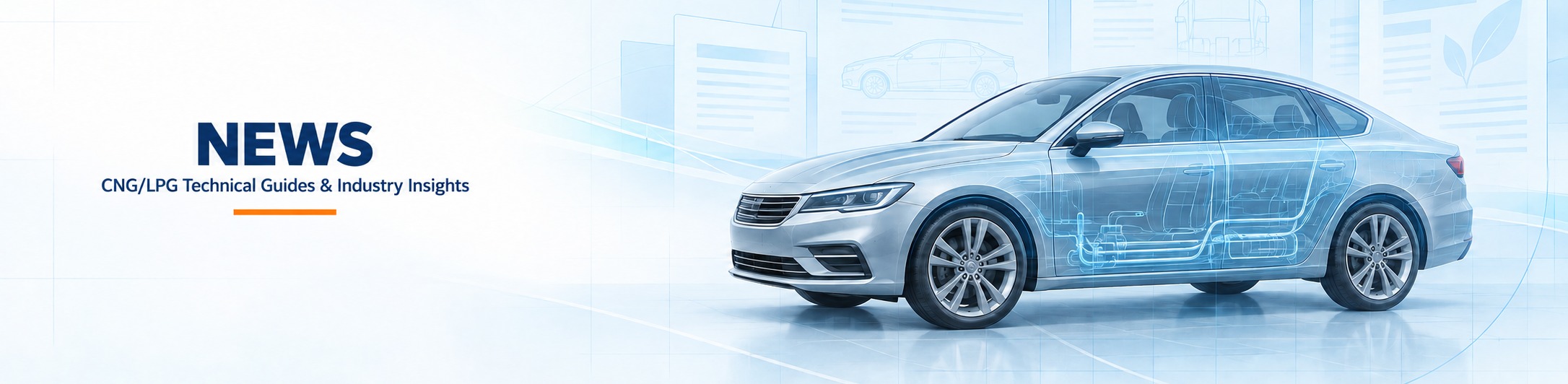

In Africa, using gas-powered taxis as taxis has brought many surprising experiences to drivers and passengers, primarily in the following ways:
Significant cost reduction: In Nigeria, after gasoline prices increased fivefold in 2024, many taxi drivers switched to compressed natural gas (CNG).
CNG retails for 230 naira per liter, just one-fifth the price of gasoline. Driver Sunday spent 800,000 naira on his car conversion,
but thanks to government subsidies, the cost was one-third less than the starting price. He has fully recouped his investment, and his profits have soared by over 400% in a single month. Similarly,
in South Africa, the government plans to convert 400 taxis to liquefied petroleum gas (LPG), which is estimated to save operators 30% to 35% in costs.
Significant environmental benefits: Gas-powered vehicles burn cleaner, significantly reducing harmful pollutants such as carbon monoxide and hydrocarbons,
helping to improve air quality in African cities. For example, a Nigerian driver noted that gas-powered vehicles "don't drive as fast because gas burns slowly,
but it's cleaner than oil and there's no smoke." Extended Engine Life: Because natural gas combustion generates less heat and pressure than gasoline, it causes less wear and tear on the engine,
significantly reducing problems like carbon deposits.
This extends engine life and extends lubricant change intervals, further reducing long-term operating costs.
Safer: Natural gas is lighter than air. If leaked, it quickly dissipates into the atmosphere and does not accumulate on the ground, reducing the risk of fire or explosion.
Smoother Operation: Gas engines generate less noise during operation, providing passengers with a quieter and more comfortable ride while also reducing noise pollution from urban traffic.