
Vehicle oil-to-gas conversion (CNG conversion) refers to modifying fuel-powered vehicles to run on compressed natural gas. This transformation brings prominent economic and social benefits, making it a popular fuel-saving and eco-friendly modification choice for commercial and high-mileage vehicles.
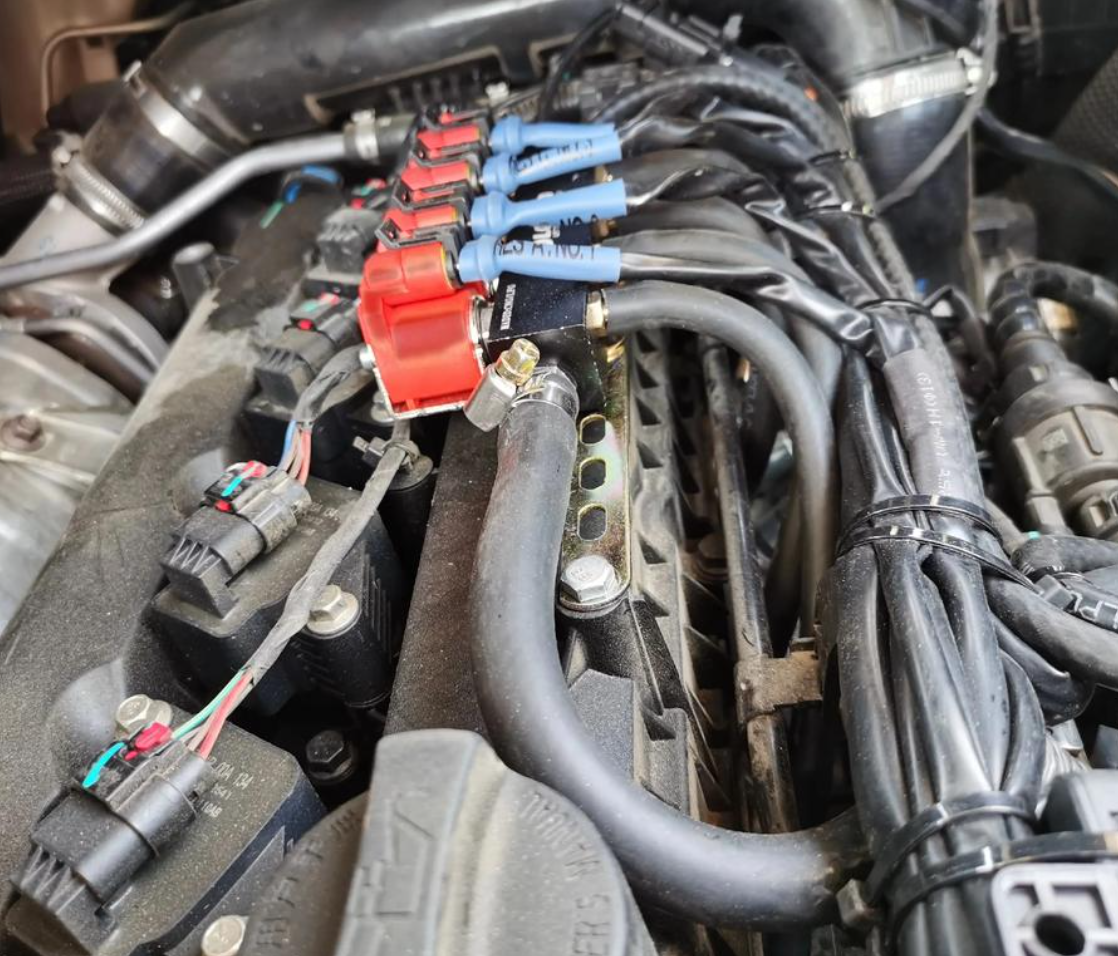
1. Outstanding Economic Benefits
The most intuitive advantage of oil-to-gas conversion is significant cost savings. Natural gas mixes evenly with air in automobile engines, achieving full and clean combustion. It hardly produces carbon deposits, features excellent anti-knock performance, and will not dilute engine lubricating oil.
This effectively reduces wear on internal cylinder parts, greatly extending the overall service life of the engine and the replacement cycle of lubricating oil. In terms of energy efficiency and pricing, the heat value of 1 cubic meter of natural gas is equivalent to 1.1 liters of gasoline, while the market price of natural gas is only half that of gasoline, bringing long-term and stable fuel cost savings for vehicle owners.
2. Excellent Social & Environmental Benefits
Compared with traditional petroleum fuels, compressed natural gas causes lower energy loss during fuel preparation and combustion. More importantly, CNG combustion produces far fewer harmful exhaust pollutants such as carbon monoxide, particulate matter and nitrogen oxides. It effectively reduces vehicle exhaust emissions, alleviates urban air pollution, and conforms to green and low-carbon travel development trends.
Which Vehicles Are Suitable for Oil-to-Gas Conversion?
Oil-to-gas conversion is not suitable for all vehicles. Vehicle owners need to judge rationally based on annual mileage and vehicle condition to avoid uneconomical modification costs.
Unsuitable Scenarios for Gas Conversion
Private cars with low annual mileage are not recommended for oil-to-gas modification. Most family cars used for daily commuting only run 10,000 to 20,000 kilometers per year. Since oil-to-gas conversion requires a certain one-time modification fee, it takes a very long time to recover the cost. For low-frequency vehicles, the cost-saving effect is negligible, and the modification is not cost-effective.
Most Suitable Vehicles for Gas Conversion
Vehicles with an annual mileage of more than 30,000 kilometers are the most ideal for oil-to-gas conversion, including operating vehicles, business cars and long-distance commuting vehicles.
For vehicles aged 7 to 8 years, a comprehensive full-condition inspection and necessary component maintenance must be completed before conversion. Aging parts and mechanical wear of old cars may lead to reduced overall vehicle performance after modification, so pre-modification maintenance is essential to ensure stable operation of CNG fuel systems.
Key Maintenance & Safety Tips for Oil-to-Gas Converted Cars
CNG converted vehicles have special fuel system structures, so standardized daily inspection and maintenance are required to ensure driving safety and stable system operation.
1. Regular Gas Leak Inspection
Drivers of gas-converted vehicles need to receive professional operation training. It is necessary to check the vehicle for gas leakage every half month. The simple and effective detection method is as follows: fill an empty beverage bottle with water, add a few drops of detergent and shake evenly, then apply the soapy water to the vehicle’s pressure reducing valve, switch valves and pipeline joints. If bubbles appear on the surface, it indicates natural gas leakage, and professional repair is required immediately.
2. Strict CNG Cylinder Inspection & Replacement Rules
The service life of a standard automotive CNG cylinder is 15 years. Relevant national departments have clear mandatory inspection cycles for modified vehicle cylinders: the first inspection cycle is 3 years, the second inspection cycle is 2 years, and annual inspection is required after six years of use. Once wear, damage or fracture is found on the cylinder winding filaments, the cylinder must be replaced immediately and cannot be used continuously.
3. Timely Replacement of Cylinder Protective Rubber Pads
The CNG cylinder of modified vehicles is fixed by two binding straps, with a protective rubber pad installed between the cylinder and the straps to prevent direct friction and wear. Once the rubber pad is damaged or aged, the cylinder winding filaments will be severely worn, bringing major safety hazards. Vehicle owners must regularly check the rubber pad status and replace damaged pads in a timely manner to protect the CNG cylinder and ensure driving safety.
Frequently Asked Questions About CNG & LPG Car Gas Conversion
How much fuel cost can I save after CNG conversion?
Natural gas price is roughly half of gasoline. Vehicles driving over 30,000 km each year can recover modification cost within 1-2 years and save a large amount of fuel fees every year afterwards.
Will CNG conversion damage my car engine?
Properly installed CNG kits protect engines. Natural gas burns completely without carbon buildup, reduces cylinder wear and extends engine service life compared with gasoline.
Can old cars over 7 years old be refitted with CNG?
They can be refitted only after full vehicle inspection and aging parts maintenance. Severe worn old vehicles are not suitable for gas conversion.
How often should I check gas leakage on my converted car?
Gas leak test is required every half month. You can use soapy water to check reducer, valves and pipe connections for bubbles.
What is the service life and inspection cycle of auto CNG cylinder?
Standard CNG cylinder lasts 15 years. Mandatory inspection: first inspection at 3 years, second at 2 years, annual inspection after 6 years of use.
Why do I need to replace CNG cylinder protective rubber pads regularly?
Aged or broken rubber pads cause direct friction between cylinder and fixing straps, scratch cylinder fiber winding and bring serious safety risks.