

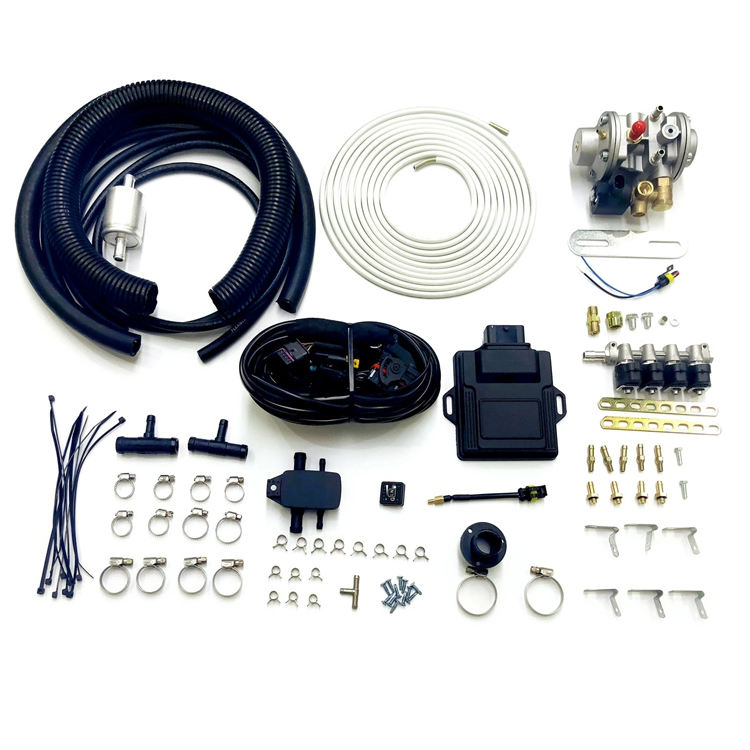
Overview of Gas‑to‑CNG Vehicle Retrofit
Many commercial‑use vehicle operators struggle with high gasoline expenses that eat into their profit margins. Cutting running costs while maintaining daily operation has long been a priority for these drivers. Converting gasoline‑fueled vehicles to run on Compressed Natural Gas (CNG) offers a practical path to lower per‑mile expenditure. Nevertheless, most ordinary car owners do not fully understand both sides of this modification. Below we break down the major benefits and downsides associated with aftermarket CNG conversion.
Main Advantages of CNG Conversion
Cost‑Effective Daily Operation
Natural gas carries a far lower unit price compared with conventional gasoline. Vehicles running on CNG deliver significantly reduced cost per mile or kilometer traveled, bringing clear economic gains for high‑mileage drivers.
Lower Environmental Pollution Output
When compared to petrol combustion, CNG combustion generates fewer harmful exhaust pollutants. Converted gas‑fueled vehicles produce cleaner emissions and deliver improved eco‑friendly performance.
Key Disadvantages of Aftermarket CNG Retrofit
Noticeable Drop In Engine Power Output
Natural gas has relatively low combustion expansion capacity. After conversion, internal combustion engines will produce reduced peak horsepower and torque, resulting in weaker dynamic driving performance.
Lost Trunk Cargo Space & Increased Vehicle Weight
CNG conversion requires large‑volume high‑pressure gas cylinders secured inside the vehicle trunk by heavy mounting brackets. These bulky tanks occupy most luggage room and add extra curb weight to the automobile. Additional vehicle weight will in turn raise overall fuel consumption levels.
Potential Long‑Term Impact On Vehicle Engines
Aftermarket gasoline‑to‑CNG modification can impose considerable stress on stock engines. Natural gas features a higher ignition point, so ignition systems need to supply much higher energy to achieve stable combustion. Insufficient working pressure under gas‑fuel mode frequently leads to further power degradation.
While natural gas burns cleaner than gasoline, trace sulfide compounds still exist within the fuel supply. These sulfide by‑products form inside combustion chambers and gradually corrode critical engine components. Continuous corrosion accelerates mechanical wear across cylinders, valves and related assemblies and shortens overall engine service life.
Important Suggestion: CNG conversion is mostly worthwhile for commercial vehicles that require low per‑kilometer running costs. For ordinary private passenger cars, the overall trade‑off of converting to natural gas rarely brings net benefits to regular household drivers.
FAQ
Q1. Who is CNG vehicle conversion most suitable for?
It works best for high‑mileage commercial vehicles. Private household cars usually cannot offset modification costs through fuel savings.
Q2. Will converting to CNG reduce car engine power?
Yes. Natural gas has lower combustion expansion capability, which will bring measurable power and torque loss for most retrofitted gasoline engines.
Q3. Does CNG gas cylinder occupy trunk storage space?
Yes. The large‑size high‑pressure tank is fixed inside the boot, which greatly reduces available cargo capacity and adds extra vehicle weight.
Q4. Can CNG fuel cause engine component corrosion and wear?
Trace sulfides present within natural gas may corrode internal engine parts over long‑term operation and speed up component wear on retrofitted vehicles.