

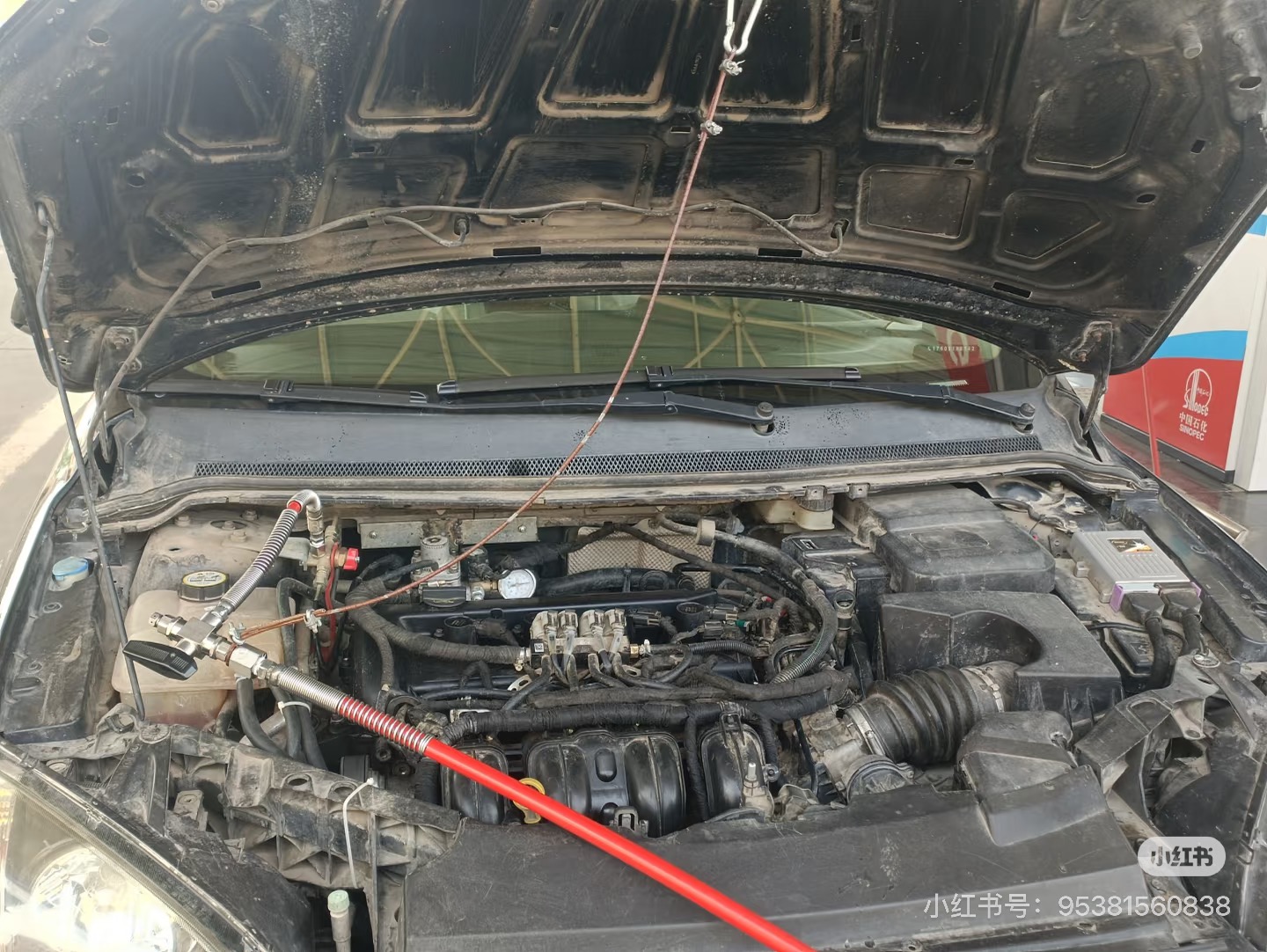
Spark Plug Replacement Guide for CNG & LPG Gas Conversion Vehicles
Vehicle conversion from gasoline to CNG (Compressed Natural Gas) or LPG (Liquefied Petroleum Gas) brings distinct changes to engine combustion conditions, which makes spark plug replacement a necessary and critical maintenance step for long-term stable vehicle operation. The core reason lies in the huge differences in combustion properties between gaseous fuels and traditional gasoline, which raise higher technical requirements for the vehicle’s ignition system.
Gasoline features a low ignition point and stable combustion characteristics, requiring only standard ignition energy for normal engine operation. In contrast, natural gas and liquefied petroleum gas have a much higher octane rating and a slower combustion speed. To achieve complete, stable and efficient combustion of gaseous fuels, the ignition system needs to deliver stronger and more sustained ignition power.
Stock spark plugs designed exclusively for gasoline-powered engines cannot adapt to the working environment of gas-fueled vehicles. When operating with CNG or LPG fuel, ordinary spark plugs commonly suffer from insufficient ignition energy, severe carbon deposit accumulation and accelerated electrode ablation. These faults will directly trigger a series of vehicle problems, including reduced engine power, increased fuel consumption, difficult cold start and unstable idle speed. Long-term use of original gasoline spark plugs after gas conversion will continuously reduce ignition efficiency, aggravate engine wear and shorten the overall service life of the power system.
Recommended Gas-Specific Spark Plugs
Iridium & Platinum Spark Plugs for CNG / LPG
Specially engineered for gas converted vehicles with ultra-fine center electrode design.
High Temperature Resistance
Tolerates higher combustion temperature during CNG and LPG combustion.
Anti-Carbon Deposition & Anti-Ablation
Reduces carbon buildup and electrode wear under continuous gas fuel operation.
Optimized Electrode Gap
Slightly larger gap to meet higher ignition voltage requirement of gaseous fuels.
Stable Ignition Output
Delivers strong ignition power for slow-burning natural gas and LPG.
Important Installation & Maintenance Tips
Spark plug gap is another key factor affecting ignition performance for gas-converted vehicles. Professional gas-specific spark plugs are manufactured with a slightly larger electrode gap than ordinary gasoline spark plugs. This optimized gap design matches the higher ignition voltage demand of gaseous fuels, effectively avoiding misfire and incomplete combustion, and maximizing fuel economy and power performance.
In addition to replacing spark plugs, it is essential to conduct a comprehensive inspection of supporting ignition system components during the upgrade process, including ignition coils and ignition control modules. The coordinated operation of the entire ignition system is the premise of stable engine operation. Formal professional modification institutions usually provide supporting spark plug upgrade and system debugging services during gas conversion construction, which is a key guarantee for modification quality.
For car owners who complete the conversion by themselves, it is crucial to select regular brand gas-specific spark plugs and keep complete replacement and maintenance records. Standardized product selection and standardized installation and maintenance can effectively avoid potential faults and facilitate subsequent daily maintenance and regular detection of the vehicle.
Conclusion
Car gasoline-to-gas conversion is not merely a simple fuel system modification, but a comprehensive adaptation upgrade for the entire engine ignition and combustion system. Ignoring spark plug replacement and adaptation will seriously affect vehicle driving performance, fuel-saving effect and long-term operational reliability. Selecting matched professional gas spark plugs and completing standardized installation and debugging is the core foundation for the stable operation of gas-converted vehicles, as well as an important measure to realize energy conservation, emission reduction and long-term cost reduction.
FAQ
Q1. Is it mandatory to change spark plugs after CNG or LPG conversion?
Yes, it is highly recommended. Gas fuels have slower combustion and require higher ignition energy. Stock gasoline spark plugs easily cause misfire, carbon buildup and power loss after gas conversion.
Q2. What happens if I keep using original gasoline spark plugs for gas fuel?
You will face unstable idling, hard starting, reduced engine power, higher fuel consumption, serious electrode ablation and shortened engine service life. Long-term use will damage the ignition system gradually.
Q3. What kind of spark plugs are best for CNG and LPG cars?
Iridium and platinum spark plugs specially designed for gas vehicles are the best choice. They feature better high-temperature resistance, anti-carbon performance and stable ignition output adapted for slow-burning gas fuel.
Q4. Does spark plug gap matter for gas-converted cars?
Yes. Gas-specific spark plugs usually have a slightly larger gap to adapt to higher ignition voltage requirements, ensuring full combustion and avoiding engine misfire under CNG/LPG mode.