
Integrating alternative fuel systems into modern engines demands precise electronically controlled gas metering. A dedicated dual-fuel ECU acts as the central command unit, translating gasoline engine signals into accurate LPG and CNG injection parameters.
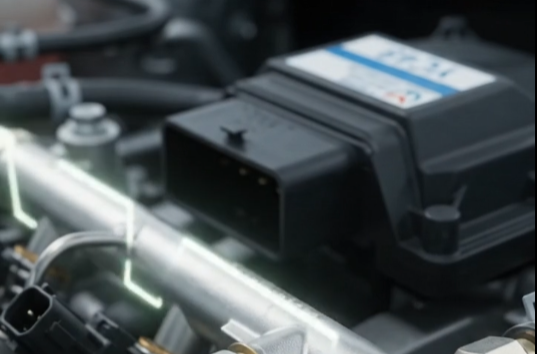
Technical Specifications & Key Capabilities
Engineered for high adaptability across diverse powertrain configurations, this gas controller features:
Tailored Functionality: Fully customizable to match specific OEM or aftermarket project specifications.
Automated Calibration: Built-in self-calibration algorithm reduces installation time and optimizes fuel mapping.
Fail-Safe Fuel Transition: Seamlessly switches back to petrol when encountering low ambient temperatures or dropping gas pressure levels.
Versatile Drive Modes: Operates under pure gasoline, dedicated gas, gas-assisted start, and blended fuel (gasoline-gas) modes.
Universal Component Support: Fully compatible with various mainstream gas rail injectors and pressure regulators.
Thermal Management: Integrated gas injector preheating/self-heating safeguards winter operation.
Advanced Diagnostics: Equipped with OBD II fault logging, oxygen sensor emulation/acquisition, and two-way communication with the primary gasoline ECU.
Adaptive Mapping: Real-time gas self-learning routine continuously refines fuel trims over time.
Explore complete technical schematics on our Gas ECU Controller Product Page.
Technical FAQ: Engine Tuning & Troubleshooting
What causes a dual-fuel system to unexpectedly drop back into petrol mode?
Automatic reversion to gasoline occurs as a protective protocol when the ECU detects inadequate gas pressure at the reducer or insufficient system temperatures during high engine loads. This safety feature prevents lean engine operation and severe misfires.
How does oxygen sensor simulation benefit alternative fuel conversions?
By capturing and simulating secondary oxygen sensor signals, the gas ECU prevents the vehicle's primary engine controller from registering false air-fuel ratio imbalances, ensuring zero check-engine warnings (DTCs) on the instrument panel.
Why is injector rail preheating critical in low-temperature regions?
Gaseous fuels experience rapid temperature drops during pressure regulation. Preheated gas injectors prevent paraffin buildup and mechanical sticking, enabling smooth idle and reliable cold-weather start-ups.