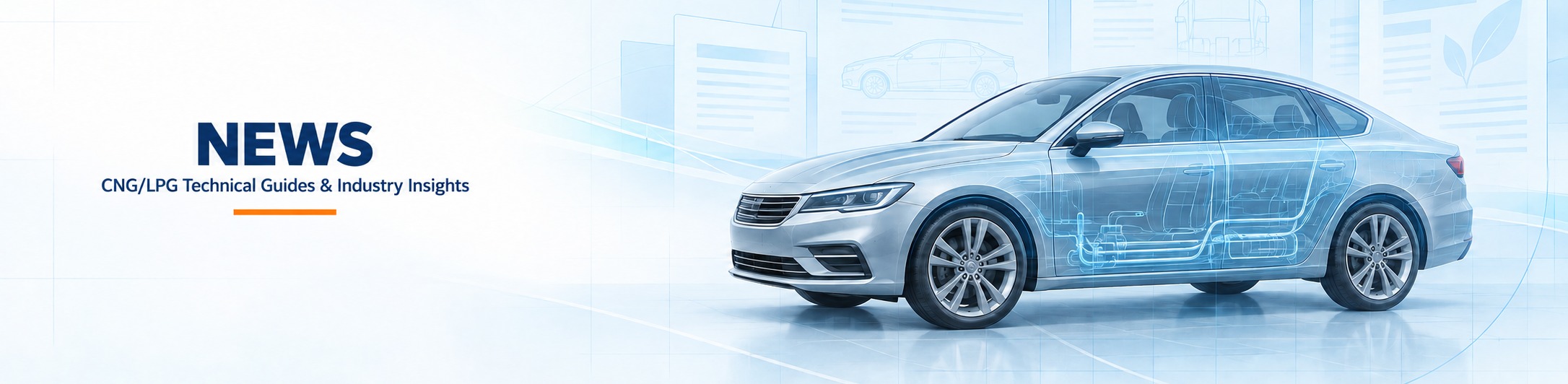

In recent times, the automotive industry has been witnessing a significant shift towards more sustainable and cost-effective fuel options. One such development that has been gaining traction is the use of petrol to gas conversion kits. These kits are enabling vehicle owners to switch from traditional petrol engines to run on gas, primarily compressed natural gas (CNG) or liquefied petroleum gas (LPG).
The trend has been spurred by various factors. Rising petrol prices globally have made running a petrol-only vehicle increasingly expensive for both private and commercial vehicle owners. At the same time, environmental concerns have pushed governments and regulatory bodies to encourage the adoption of cleaner fuels. Gas as a fuel source produces fewer emissions compared to petrol, contributing to a reduction in air pollution and a step towards meeting climate change goals.
Several countries have taken proactive steps to promote the use of petrol to gas conversion kits. In Nigeria, for example, the federal government, through the Presidential CNG Initiative (PCNGI), has been actively distributing CNG conversion kits across the country. The aim is to accelerate the conversion of commercial and private vehicles to CNG, providing a cheaper and cleaner alternative to petrol. The government's move aligns with its target of achieving a new automotive fuel transition, with plans to convert one million commercial transport petrol vehicles to CNG by 2027.
The market for petrol to gas conversion kits is projected to grow significantly in the coming years. The dual fuel conversions market, which includes the use of such conversion kits, was valued at 7.92 Bn in 2025 and is expected to grow at a CAGR of 14.69% from 2026 to 2033, reaching 18.03 Bn by 2033. This growth is attributed to the increasing demand for cost-effective and environmentally friendly transportation solutions, along with the implementation of stricter emission regulations globally.
However, there are challenges associated with the widespread adoption of petrol to gas conversion kits. One of the main concerns is vehicle compatibility. Not all vehicles are suitable for conversion, and high-performance or older engines may require special attention. Additionally, the availability of refueling stations for CNG or LPG is still limited in many areas, which could deter potential users.
Despite these challenges, the future of petrol to gas conversion kits looks promising. With continuous technological advancements, the efficiency and safety of these conversion kits are expected to improve. Moreover, as more governments introduce incentives and subsidies for vehicle owners to switch to cleaner fuels, the demand for these kits is likely to soar. This shift towards gas-powered vehicles through conversion kits could play a pivotal role in transforming the automotive fuel landscape, making transportation more sustainable and affordable in the long run.