
Direct answer: Yes. Converting a gasoline car to compressed natural gas (CNG) does affect the vehicle. The most noticeable change is a drop in power output. With regular leak checks, correct parking habits, and a properly tuned sequential conversion kit, most of that impact can be kept under control.
This guide applies to spark-ignition gasoline (petrol) cars, including 4-, 6-, and 8-cylinder engines fitted with a scyuncheng sequential CNG conversion kit. It explains what actually changes after the conversion, what you should inspect, and how to reduce avoidable wear.
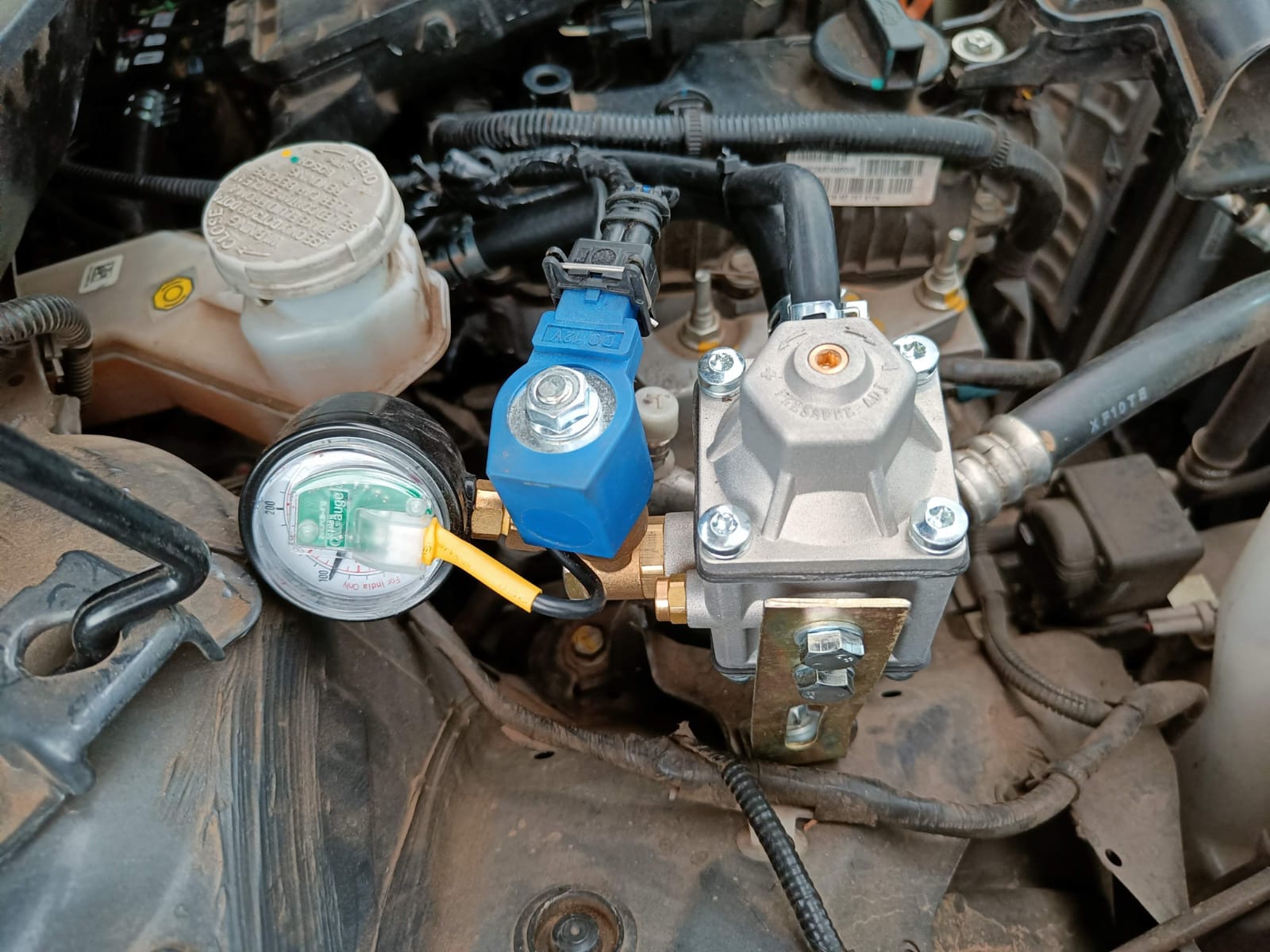
How much power do you lose after converting a gasoline car to CNG?
Power loss is expected; it does not mean the conversion failed. CNG carries less energy per unit of intake volume than gasoline, and it burns more slowly. Published conversion tests and owner reports commonly place the drop at about 5% to 15%, depending on engine size, kit type, and calibration.
A well-tuned sequential injection system usually keeps the loss modest in everyday driving, because a gas ECU and injector rail meter fuel to each cylinder. Older single-point or mixer-style systems often lose more power and feel less stable under load. If you are choosing a kit, start with the difference explained in single-point versus sequential CNG/LPG conversion systems.
If power falls far beyond the usual range, or the car hesitates under acceleration, check ignition, gas filters, regulator pressure, and ECU mapping before assuming the engine itself is worn out. Related fault patterns are covered in aftermarket CNG conversion problems and fixes.
What maintenance does a CNG-converted car need?
The conversion does not replace the original service schedule. It adds gas-system checks on top of the owner's-manual routine. Careful inspection and steady driving habits are what reduce the adverse effects of a gasoline-to-CNG conversion.
Inspect the system for leaks every two weeks
A full leak check every two weeks is essential. CNG is stored at high pressure, so gas can escape through a loose fitting, a worn cylinder valve, or a cracked pipe. During each inspection, check:
The CNG cylinder, cylinder mouth valve, and high-pressure connections for any sign of leakage
All gas pipes and joints for cracks, abrasion, aging, or oil seepage
Clamps, the reducer, and solenoid valves for tightness, unusual odor, or hissing
Use a leak-detection solution or a dedicated gas detector around joints. Do not rely on smell alone. Replace a damaged line promptly with a pressure-rated part such as a high-pressure CNG gas pipe.
Follow a daily pre-drive check
Before you drive each day, follow the original vehicle handbook first, then add a short gas-system walk-around. Confirm that pipes and fittings show no leakage and that the system switches as expected. Keep a charged fire extinguisher in the vehicle after conversion.
How should you park a CNG-converted vehicle?
Short-term parking
For overnight or other short parking, switch off the main power switch and close the CNG cylinder valve, for example a 20 MPa high-pressure CNG shut-off valve. This isolates the cylinder if a downstream line is disturbed while the car is standing.
Long-term parking
If the vehicle will stand unused for a long period, use up the remaining CNG first, then park it in a well-ventilated area. Do not store a fully charged CNG vehicle for weeks in a tightly sealed space.
Why must the gas system not be repaired in a closed space?
Never service the fuel-supply system inside a closed garage or workshop with poor ventilation. Escaped CNG can accumulate, and a spark from a lamp, switch, or tool can ignite it. Work only in an open, ventilated area, isolate the cylinder valve first, and let a trained technician handle repairs.
CNG conversion inspection and parking checklist
| Task | When | What to do |
|---|---|---|
| Full leak inspection | Every two weeks | Check the cylinder, valves, pipes, and fittings for leaks, cracks, or oil seepage |
| Pre-drive check | Daily, before departure | Follow the original owner's manual, then inspect pipes and fittings for leakage |
| Short-term parking | Overnight or several hours | Switch off the main power and close the CNG cylinder valve |
| Long-term parking | When the car will sit unused | Use up remaining CNG and park in a well-ventilated place |
| System repair | Whenever the gas supply system is serviced | Do not work in a closed garage or factory building |
Frequently asked questions
These questions come up often in owner forums and search queries about gasoline-to-CNG conversion effects.
How much power loss is normal after CNG conversion?
A drop of about 5% to 15% is typical. Many drivers notice it most during hard acceleration or when climbing with a load. In regular city driving, a correctly mapped sequential kit often feels close to gasoline. A loss well beyond this range usually points to filters, ignition, regulator pressure, or ECU calibration rather than normal CNG behavior.
Does CNG conversion damage the engine or exhaust valves?
CNG itself burns cleaner than gasoline and can leave engine oil and spark plugs less contaminated. The real risk is heat and timing. CNG has a high octane rating and a slower flame speed, so it burns hotter and for longer. If ignition timing or the air-fuel ratio is set incorrectly, the mixture may still be burning when the exhaust valve opens, which can overheat the valve and seat.
That risk is much lower on a sequential kit that is installed and tuned correctly. Use the spark-plug heat range recommended for gas operation, keep the cooling system in good condition, and stay on the normal oil-change interval. Oil can still look clean on CNG, but heat still degrades it, so do not stretch the service interval just because the oil looks unused.
How often should I check a CNG system for leaks?
Complete a full leak inspection at least once every two weeks, and do a quick pipe and fitting check before you drive each day. After any impact, cylinder service, or pipe replacement, inspect again before the next trip. If you smell gas, hear hissing, or see frost or residue at a joint, stop, close the cylinder valve, and move the vehicle to a ventilated area.
Key takeaways
Yes, converting a gasoline car to CNG affects the vehicle. The main performance change is a power drop, commonly around 5% to 15%.
A tuned scyuncheng sequential kit for 4-, 6-, or 8-cylinder petrol engines usually keeps daily drivability acceptable.
Inspect the cylinder, valves, and pipes for leaks every two weeks, and check the lines before each drive.
For short parking, cut the main power and close the cylinder valve. For long parking, use up the CNG and leave the car in a ventilated place.
Never repair the gas supply system in a closed garage or factory building. Regular inspection and correct habits are what limit the adverse effects of the conversion.