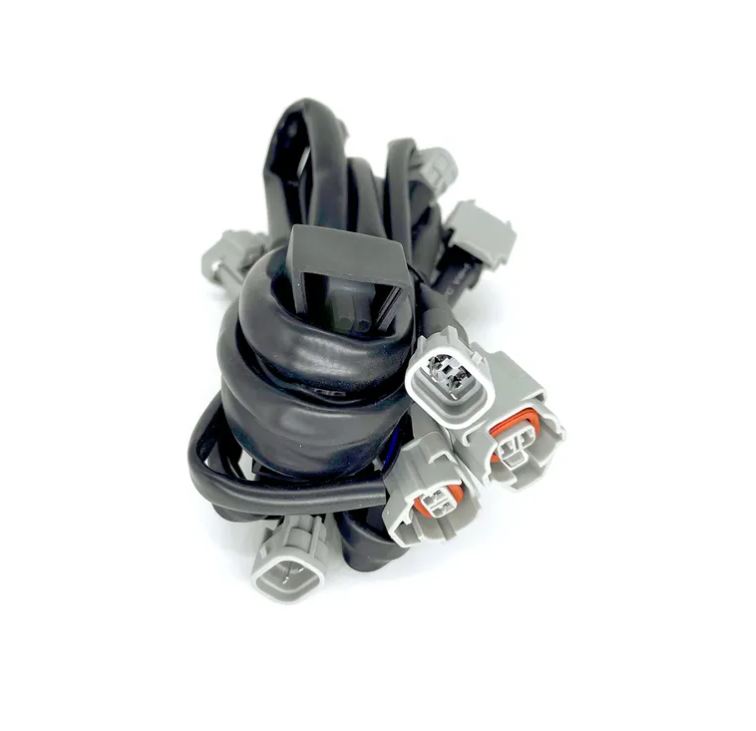
Products Description
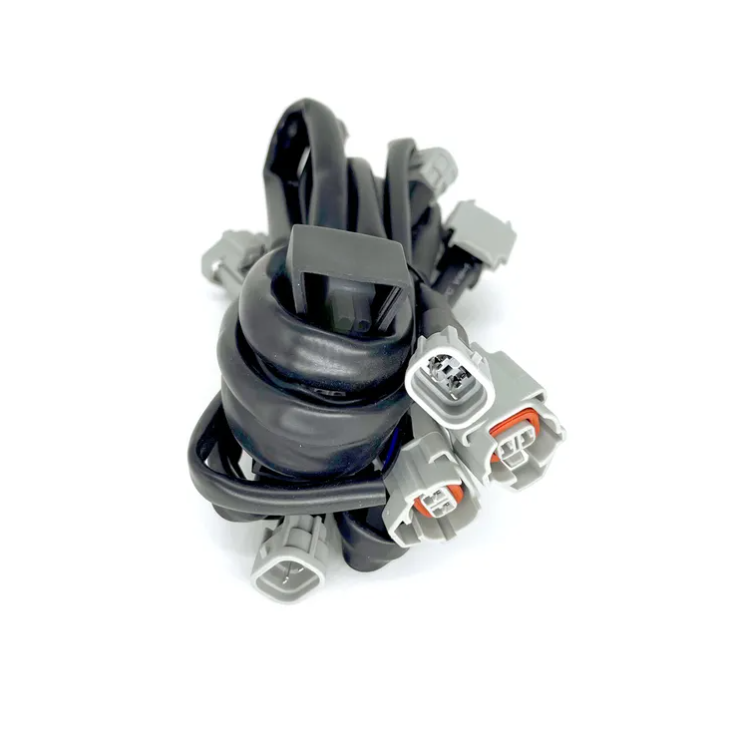
4 Cylinder CNG/LPG Emulator Wiring Harness
This 4-cylinder CNG/LPG emulator wiring harness is designed to connect compatible injection emulator modules to vehicle electrical systems. It is available with 10-pin or 14-pin connector options and supports a DC 10–16V operating range. The specified working temperature is -20°C to +105°C.
The harness is intended for selected CNG and LPG vehicle conversion systems using traditional injection arrangements. Compatibility with specific Japanese vehicle applications depends on the original connector, emulator model, and electrical pinout.
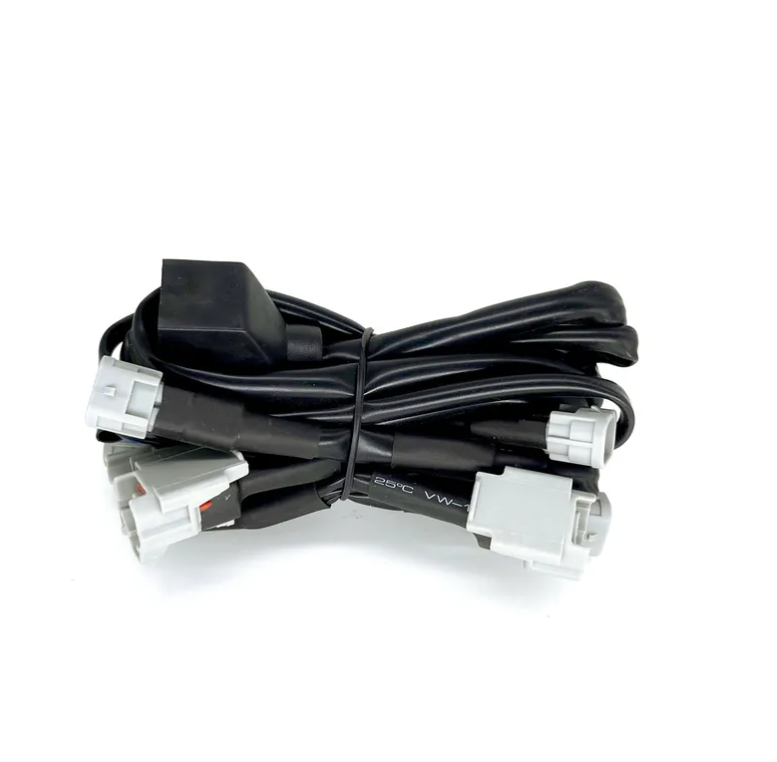
Product Specifications
| Product Name | 4 Cylinder Emulator Wiring Harness |
|---|---|
| Product Category | Autogas Electrical Components |
| Fuel Type | CNG / LPG |
| Engine Configuration | 4 Cylinder |
| Connector Type | 10 Pin or 14 Pin |
| Working Voltage | DC 10–16V |
| Working Temperature | -20°C to +105°C |
| Application | Compatible traditional injection and specified carburetor-engine autogas systems |
| Vehicle Fitment | Selected Japanese vehicle applications, subject to wiring compatibility |
How the Emulator Wiring Harness Works
An injector emulator wiring harness provides the electrical connection between an emulator module and the vehicle wiring system. In a compatible CNG/LPG conversion installation, the emulator may be used to manage petrol injector-related signals during gas operation.
The wiring harness is a passive connection component. It does not independently control fuel injection, regulate gas pressure, or replace the emulator control module.
Key Compatibility Requirements
10-Pin and 14-Pin Connector Options
Two connector configurations are specified. The correct version must be selected according to the existing emulator connection. Matching the number of pins is not sufficient to establish electrical compatibility.
Electrical Operating Range
The specified working voltage is DC 10–16V. Installers should verify the electrical requirements of the emulator and vehicle before connecting the harness.
Operating Temperature
The stated working temperature range is -20°C to +105°C. The harness should still be routed away from exhaust components, sharp edges, and moving engine parts.
Typical Applications
4-cylinder CNG vehicle conversion systems
4-cylinder LPG vehicle conversion systems
Compatible petrol injection emulator systems
Replacement of damaged emulator wiring
Autogas system inspection and maintenance
For carburetor-engine applications, the function of the existing emulator must be confirmed before selecting this harness. A conventional carburetor engine does not necessarily contain electronic petrol injectors.
Installation and Inspection
Verify the Original Connector
Compare the connector housing, locking mechanism, pin count, terminal layout, and wiring diagram with the existing harness.
Inspect Electrical Connections
Look for loose terminals, damaged insulation, corrosion, and broken conductors. Wire colors alone should not be used to identify electrical functions.
Check System Operation
After installation, verify the relevant electrical circuits and test engine operation according to the emulator and vehicle service instructions.
Frequently Asked Questions
Can I replace a 10-pin emulator harness with a 14-pin version?
Not as a direct swap. The connectors have different pin counts, and the wiring assignments may differ. Check the emulator documentation and actual pinout before choosing a replacement.
Why is my engine misfiring after installing an LPG emulator harness?
Check the wiring first, but don't assume the cable is automatically the problem. A loose connector or incorrect pinout can cause trouble. So can ignition faults, injector problems, or fuel delivery issues. Read the fault codes and test the circuits.
Does this harness fit every Japanese car?
No. Similar vehicles can use different electrical connectors and emulator systems. The original harness and wiring diagram matter more than the country where the vehicle was manufactured.
Can a damaged wiring harness cause intermittent injector faults?
Yes. Loose terminals, broken conductors, or damaged insulation can interrupt signals. If a fault comes and goes with vibration, inspect the connections and cable routing. That doesn't prove the harness is defective, but it's a sensible place to investigate.
Can this cable work without an emulator module?
No. This is a wiring harness, not a standalone electronic emulator. It must be used with a compatible system.
Ordering and Technical Confirmation
Before ordering, provide the emulator model, connector pin count, photographs of the original harness, and available wiring documentation. These details help confirm the correct connection configuration.