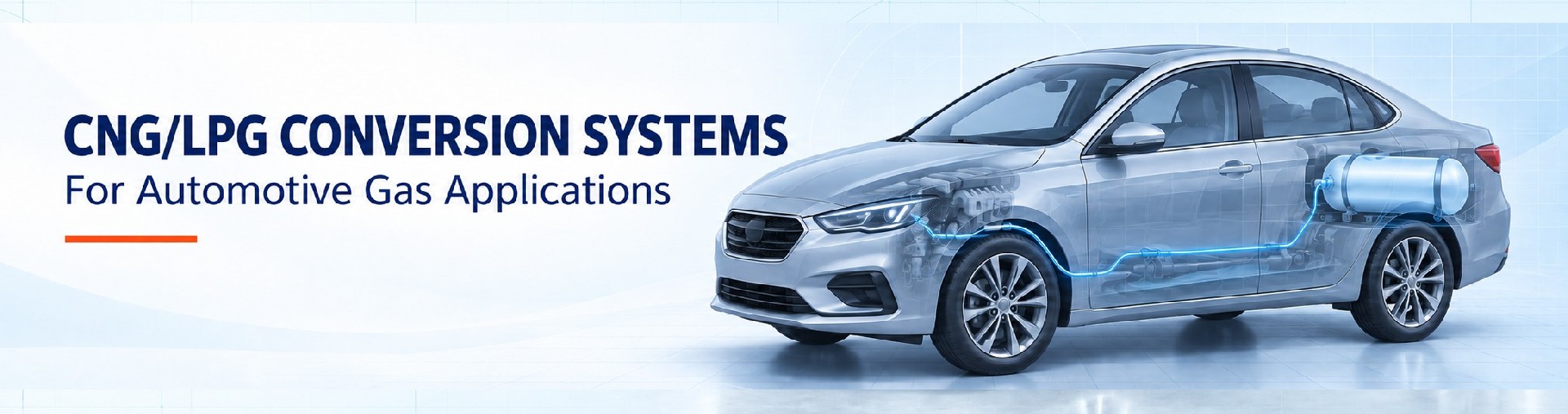
Products Description
With global fuel price volatility and growing environmental regulations, converting vehicles to CNG (Compressed Natural Gas) or LPG (Liquefied Petroleum Gas) is one of the most effective ways to lower operational costs. However, choosing the right conversion kit requires careful consideration of engine compatibility, safety certifications, and return on investment (ROI).
This comprehensive buyer's guide addresses the 20 critical technical, safety, and financial questions you must evaluate before making a purchase decision.

Phase 1: Compatibility & Engine Feasibility
1. What is the difference between CNG and LPG conversion kits?
CNG is stored at ~200 bar pressure in heavier cylinders, offering maximum fuel savings for commercial fleets. LPG operates at lower pressure (~8–10 bar) and uses lighter toroidal (spare-wheel) tanks suitable for private passenger vehicles.
2. Are CNG/LPG kits compatible with Direct Injection (GDI/TSI) engines?
Yes, but GDI/TGDI engines require specialized dual-fuel ECU hardware capable of precise micro-gas/gasoline injection to protect gasoline injectors. Standard MPI kits will not work on GDI engines.
3. How much engine power will I lose after conversion?
LPG systems experience a 3%–5% power loss, while CNG systems see roughly 10%–15%. Proper ECU calibration and high-flow components reduce power loss significantly, making it virtually unnoticeable during daily driving.
4. Can I install a 4-cylinder conversion kit on a 6-cylinder or 8-cylinder engine?
No. Different engine configurations require matching ECU wiring harnesses, additional injector rails, and higher-flow pressure reducers designed for higher horsepower ratings.
5. Are conversion kits suitable for turbocharged or supercharged engines?
Yes. Turbocharged engines require 4th-generation sequential injection kits equipped with MAP (Manifold Absolute Pressure) sensors that dynamically adjust gas delivery based on turbo boost pressure.
Phase 2: Technical Specifications & System Components
6. What generation kit should I choose (3rd, 4th, or 5th Gen)?
4th Generation Sequential Multipoint Injection Kits provide the best balance between price, performance, and fuel efficiency for 90% of modern vehicles on the market today.
7. What components are included in a complete conversion kit?
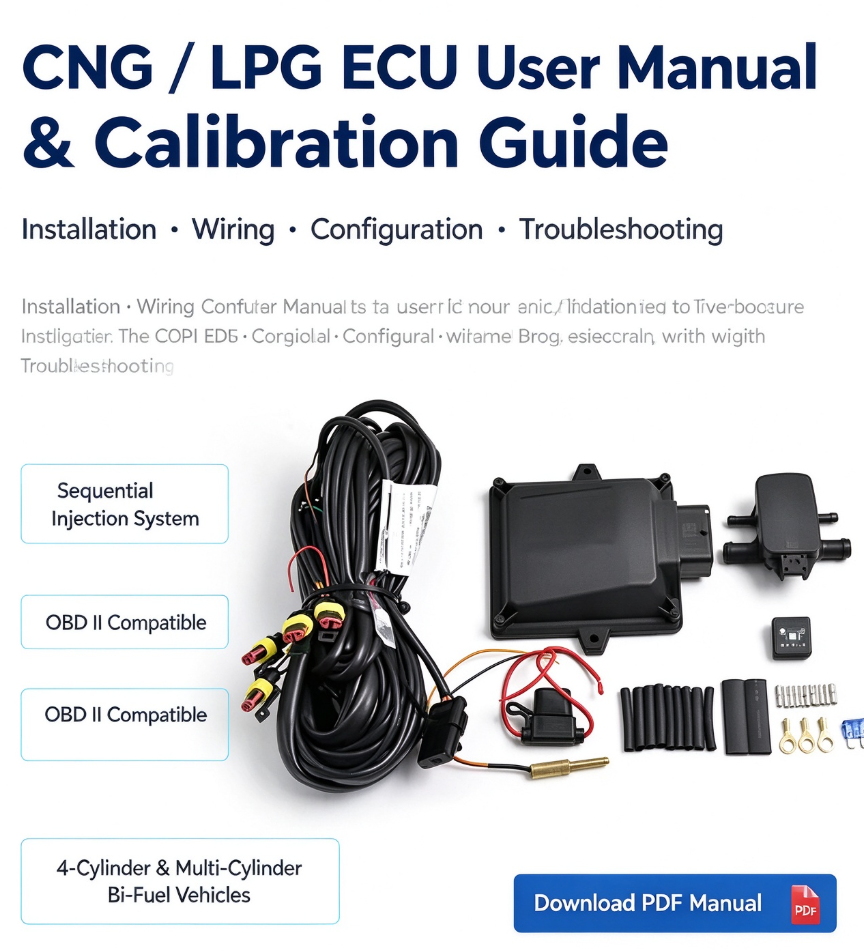
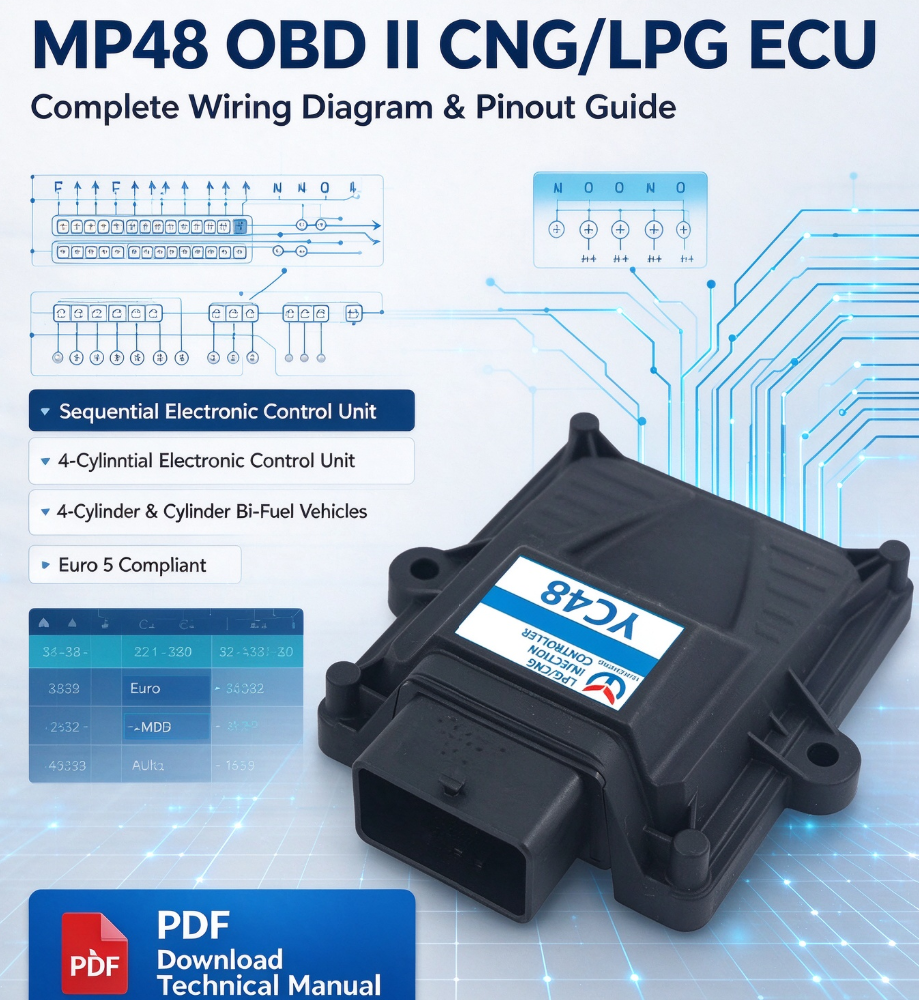
Gas ECU with wiring harness & changeover switch
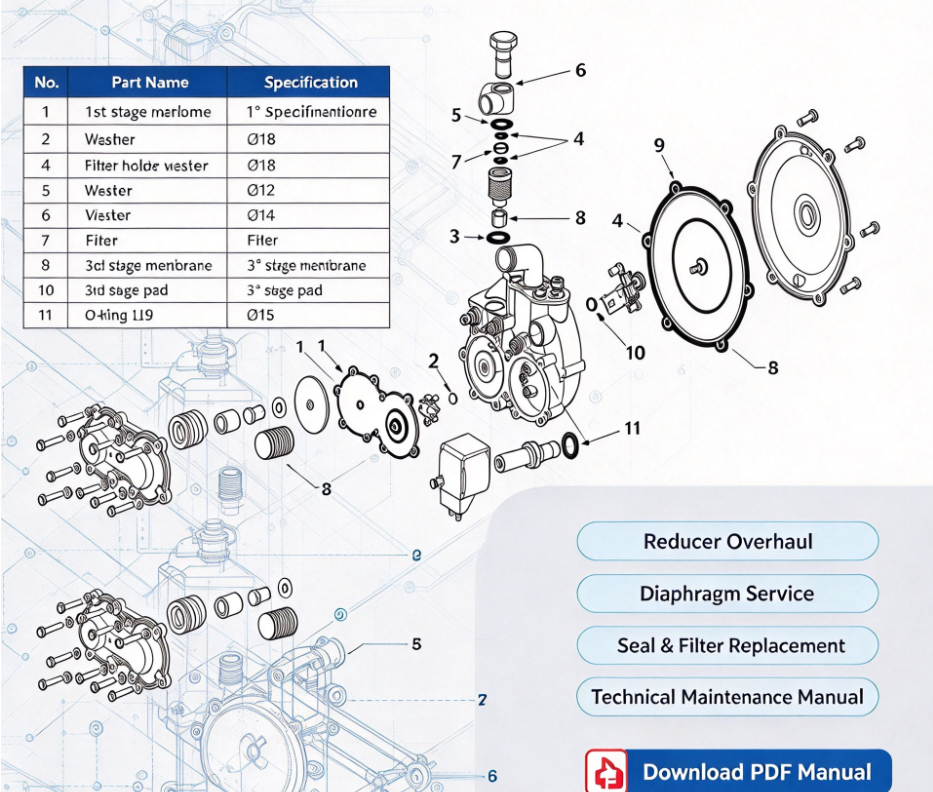
Pressure Reducer / Regulator
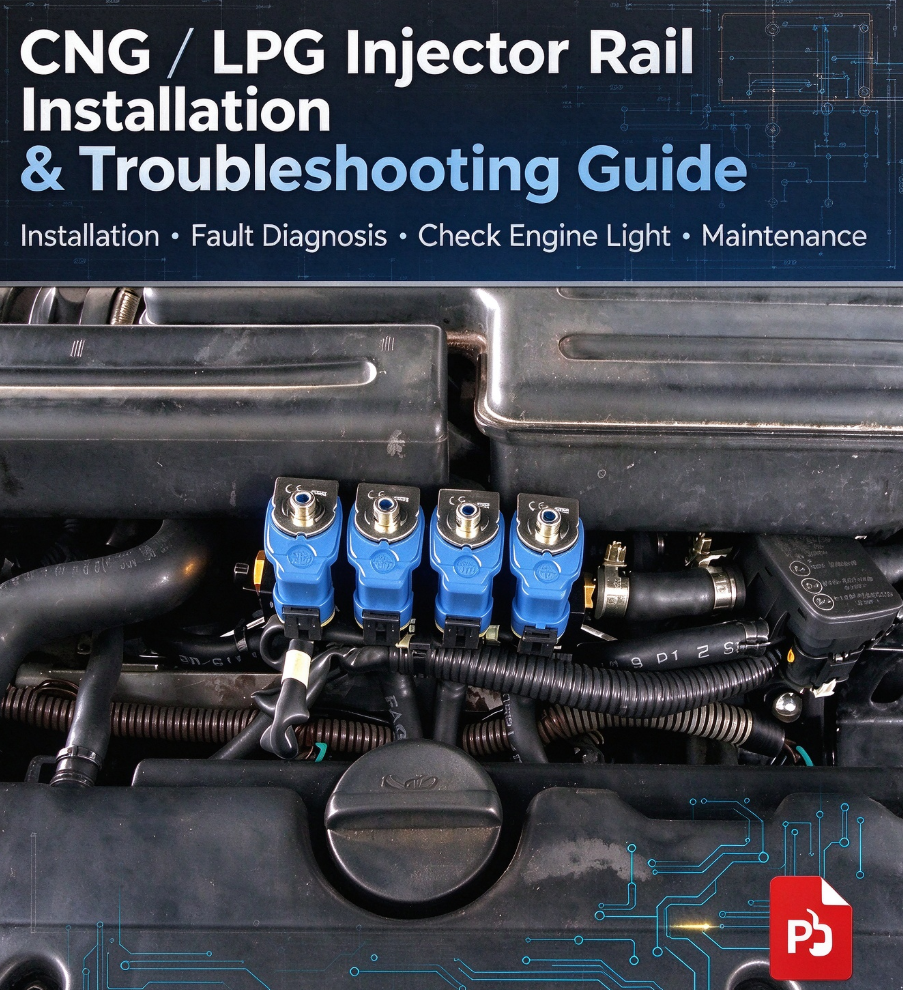
Gas Injector Rail & Nozzles
MAP Sensor, Temperature Sensors & Gas Filter
Storage Tank & Safety Multi-valve (ordered together or separately)
8. What is the role of the pressure reducer/regulator?
The pressure reducer lowers the high storage pressure of CNG (200 bar) or LPG (10 bar) down to a stable working pressure (~1–2 bar) required by the gas injectors, while utilizing engine coolant to prevent freezing.
9. How do I choose the correct gas injector rail for my vehicle?
Injector selection depends on the horsepower per cylinder. Choosing injectors with the correct orifice size and stroke ensures smooth idling and precise fuel metering at high speeds.
10. Is an timing advance processor (TAP) required for CNG conversion?
While optional, installing a Timing Advance Processor (TAP) advances the ignition timing for CNG's higher octane rating (~130 RON), recovering up to 5%–8% lost engine power and enhancing fuel efficiency.
Phase 3: Financials & Return on Investment (ROI)
11. What is the average ROI and payback period?
LPG saves ~35%–45% on fuel costs, while CNG cuts fuel costs by 50%–60%. Most vehicle owners achieve full ROI within 6 to 12 months (or 10,000 to 15,000 km) based on average commute distances.
12. How does gas conversion affect ongoing vehicle maintenance costs?
Gaseous fuels burn cleaner than gasoline, creating less carbon buildup. Engine oil remains cleaner for longer, spark plugs last longer, and overall engine longevity is extended.
13. What maintenance is required for a CNG/LPG system?
Routine maintenance includes replacing the gas phase filter every 10,000–15,000 km, inspecting gas hoses for leaks, and checking reducer pressure during routine servicing.
Phase 4: Safety & International Certifications
14. What safety standards must CNG/LPG kits meet?
Always verify compliance with recognized international safety standards: ECE R67 / ECE R115 for LPG systems, and ECE R110 / ISO 15500 for CNG systems.
15. Are LPG/CNG gas tanks safe in a rear-end collision?
Yes. Gas tanks are manufactured from high-strength forged steel or composite materials far tougher than standard plastic gas tanks. They feature 80% fill-limiters, overpressure relief valves, and automatic shut-off solenoids.
16. Will there be a gas smell inside the vehicle after installation?
No. A properly installed and soap-tested system is 100% sealed. If a gas smell is detected, the vehicle should be inspected immediately for loose hose clamps or fitting leaks.
17. What happens if the vehicle runs out of CNG/LPG while driving?
The gas ECU automatically detects low pressure, sounds a warning buzzer on the cabin switch, and seamlessly switches back to gasoline mode without stalling the engine.
Phase 5: Technical Support, Installation & After-Sales
18. Does the seller provide diagnostic software and tuning cables?
Yes! Reputable manufacturers bundle free ECU calibration software (with multi-language support) and dedicated USB diagnostic interface cables with full kit orders.
19. Can I install the conversion kit myself at home?
We strongly recommend professional installation by a certified auto gas technician to ensure correct wiring, calibration, and safety compliance according to local regulations.
20. What is the warranty policy on your conversion kits?
We offer a 2-Year / 100,000 km factory warranty on all core components, including the ECU, pressure reducer, and gas injector rails.