Products Description
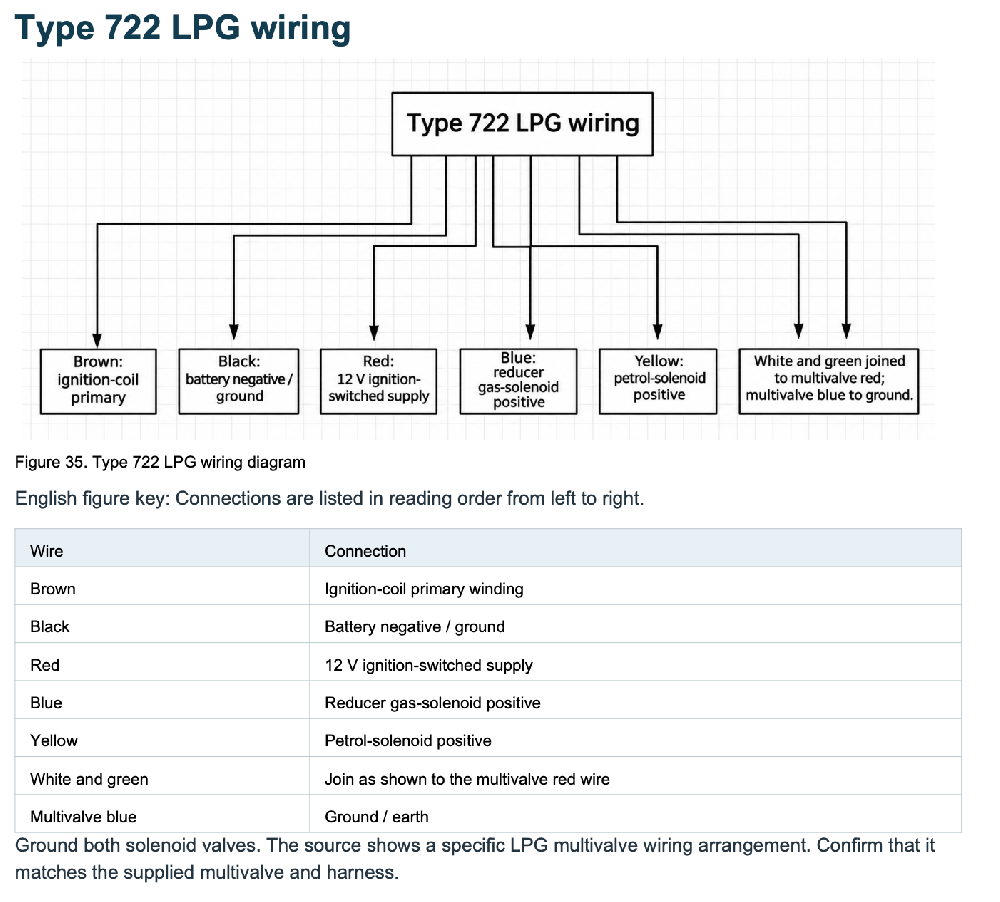
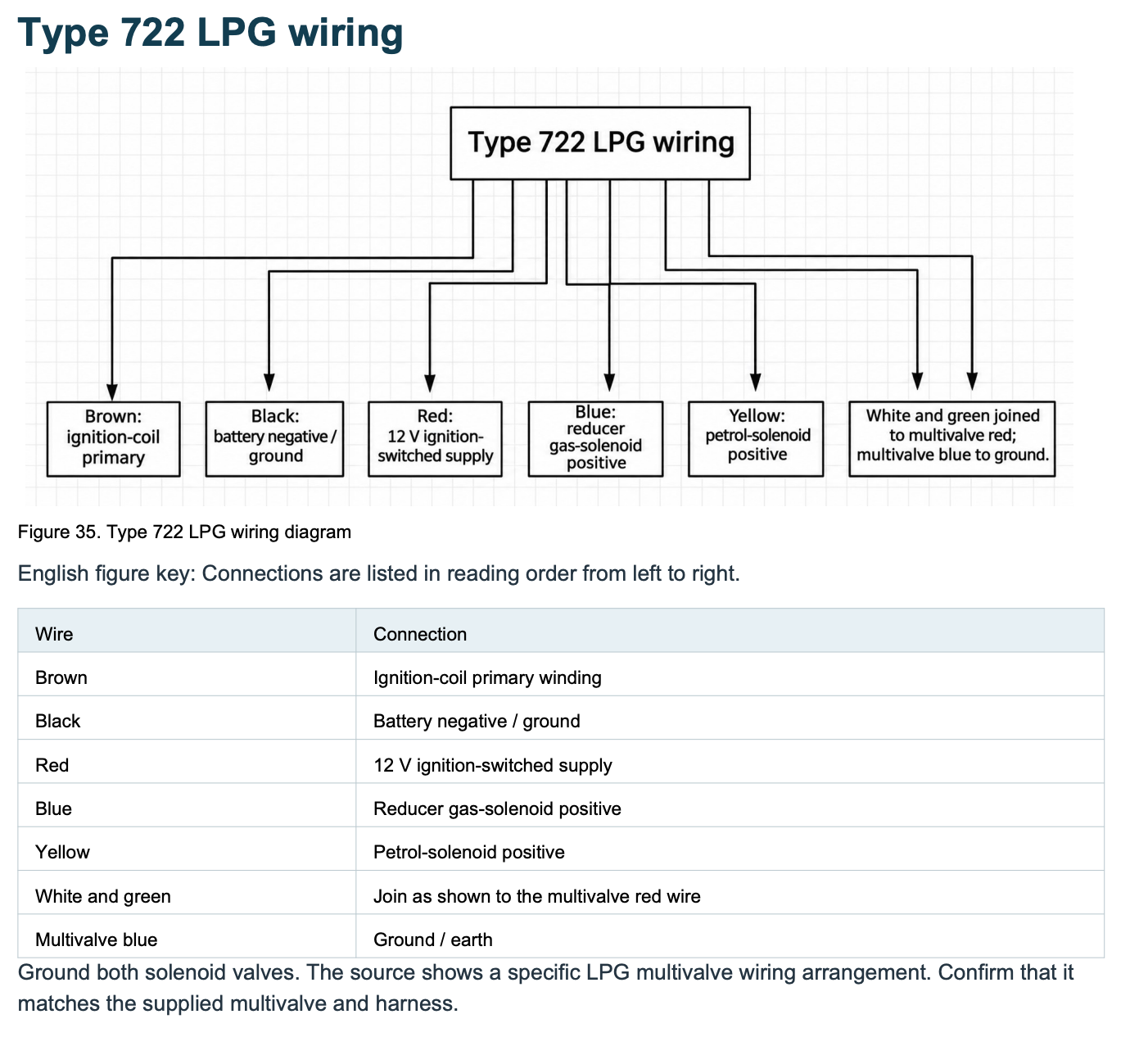
scyuncheng motorcycle CNG/LPG conversion kits add a gas fuel system while retaining the petrol system on a compatible carbureted motorcycle. The workshop document describes a 20 MPa CNG filling example and Type 722 changeover wiring. It also illustrates a separate LPG arrangement. The CNG pressure figure does not apply to LPG.
This guide explains what the illustrated components do, what an installer must confirm and how to assess a motorcycle gas conversion for African operating conditions. It accompanies an English technical PDF with 48 source illustrations and English translations of the labels inside those images.
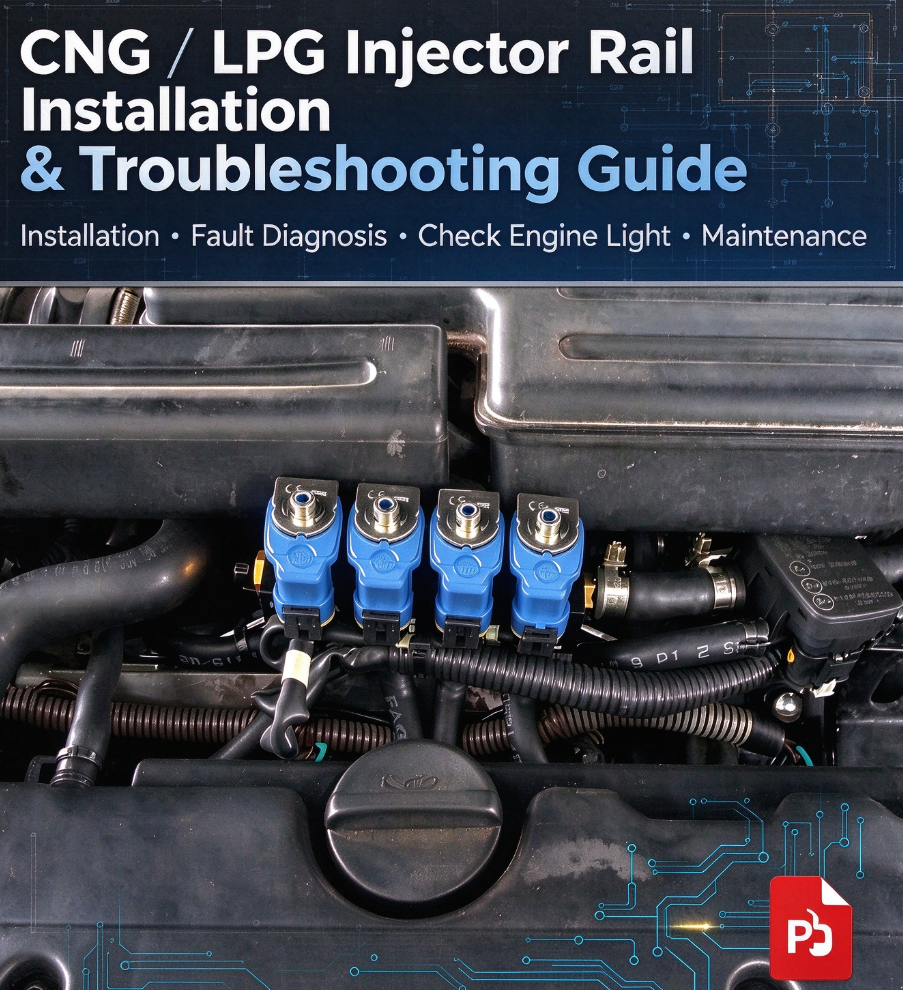
 scyuncheng-motorcycle-cng-lpg-installation-guide-en.pdf
What does the technical guide cover?
| Item | Documented arrangement |
|---|---|
| Engine fuel system | Carbureted petrol motorcycle converted to selectable petrol or gas operation |
| CNG pressure example | 20 MPa cylinder filling; confirm actual cylinder and component ratings |
| Gas delivery | Reducer, main flow adjustment valve, low-pressure hose and mixer |
| Fuel selection | Three-position selector, gas solenoid and petrol solenoid |
| Electrical reference | Type 722 diagrams for the illustrated CNG and LPG harnesses |
| Illustrations | 48 component, mounting, tubing, wiring and assembly figures |
The document does not establish a universal engine-displacement limit, vehicle approval, tightening torque or complete commissioning test procedure. Obtain the specifications for the exact kit before installation.
Which components differ between a CNG and LPG motorcycle kit?
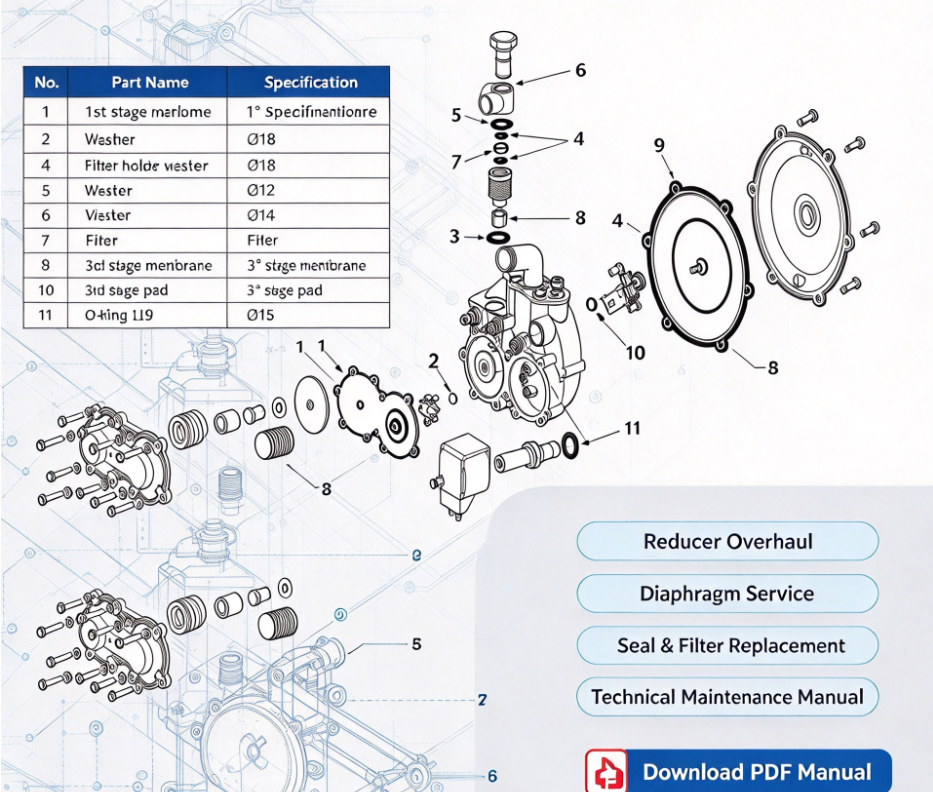
The reducer, filling valve and pressure or level components differ. The CNG arrangement uses a pressure-sensing unit. The illustrated LPG arrangement uses a cylinder multivalve and an LPG reducer without coolant connections. Similar appearance does not make the parts interchangeable.
Compare the motorcycle CNG and LPG product category, the motorcycle CNG reducer and the motorcycle LPG reducer when confirming the supplied configuration.
How does a carbureted motorcycle switch between petrol and CNG?
In the documented gas mode, the gas solenoid opens and the petrol solenoid closes. CNG flows from the cylinder through the high-pressure line to the reducer, then through the flow adjustment valve and low-pressure hose to the mixer. The mixer combines gas with filtered air before the mixture enters the engine through the carburetor passage.
In petrol mode, the gas solenoid closes and the petrol solenoid opens. For the illustrated carbureted system, the center OFF position closes both solenoids and is used to consume petrol remaining in the float bowl before gas is selected. Follow the switching procedure supplied with the actual kit; this description does not apply to every gas-fueled motorcycle.
What must an installer check before mounting the kit?
Cylinder support and vehicle loading: confirm structural suitability, clearances, passenger or cargo space and permitted loads. The source specifies rubber cushioning at least 2 mm thick and no movement between cylinder and clamps after securing.
Reducer position: use a suitable low-vibration mounting point near the carburetor. The illustrated reducer has its diaphragm plane vertical and aligned with vehicle travel. Confirm the model-specific orientation and heating requirements.
High-pressure tubing: cut squarely, deburr and clean. Protect lines against abrasion and vibration. The source specifies support-clamp spacing no greater than 1 m and about 30 mm of straight tube near the fitting nut for service access.
Fittings and wiring: use the correct matching ferrules and component instructions. Verify the actual Type 722 harness pinout, supply, protection and grounds before energizing.
These are document highlights, not a complete installation procedure. Installation and commissioning require trained personnel, the current component instructions and the applicable vehicle gas-system requirements. Never open a pressurized line or use a flame to check for leaks.
Is a motorcycle CNG conversion practical for African fleets?
Assess the operating route before selecting a kit. A delivery motorcycle or passenger tricycle needs reliable access to compatible filling stations, enough usable range between stops and a cylinder position that preserves its working load. Do not assume that CNG refueling is available across an entire country or along every route.
Ask the workshop to confirm the motorcycle model, carburetor, electrical supply, installation space, cylinder specification, local approval requirements and service support. An air-cooled engine also needs a specific answer on reducer heating; warm ambient conditions alone do not establish compatibility.
For an initial vehicle assessment, see the motorcycle CNG/LPG conversion overview and the related motorcycle conversion kit.
How should fuel savings and performance be evaluated?
Calculate fuel cost per kilometer from measured consumption and local pump prices. Add installation, inspections, servicing, refueling detours and downtime when estimating payback. A useful trial compares the same route, payload and riding pattern on petrol and gas.
The original document contains percentage claims for savings, emissions and power reduction, but provides no corresponding test report or vehicle baseline. This article therefore makes no fixed savings, power or emissions guarantee. Further operating considerations are covered in the motorcycle CNG advantages and limitations guide.
Frequently asked questions
Will a motorcycle lose power after a CNG conversion?
Performance can change with the engine, mixer restriction, gas metering, ignition condition and load. A single percentage is not reliable for every motorcycle. Record petrol performance first, then have the installer verify gas operation under representative load. Persistent hesitation or a large power drop calls for diagnosis rather than arbitrary adjustment of the flow valve.
Why does the engine start poorly or stall when switching fuels?
Possible causes include incorrect changeover timing, residual petrol in the carburetor float bowl, gas-supply or electrical faults and an underlying engine problem. The source arrangement uses the center OFF position during petrol-to-gas changeover. Have a trained installer check the actual system and its instructions. For related workshop discussion, read the motorcycle CNG/LPG tuning guide.
How can a fleet estimate CNG range and avoid refueling disruption?
Use the approved cylinder's usable gas capacity and measured consumption on the intended route. Include payload, hills and a practical reserve, then confirm station access and opening arrangements locally. The source provides no guaranteed kilometers per cylinder. Retaining petrol operation in a compatible bi-fuel installation can add flexibility, but the approved switching procedure still applies.
Download the illustrated English technical reference
The accompanying PDF covers component identification, translated image labels, mounting guidance, high-pressure tube preparation, Type 722 wiring and ferrule assembly illustrations. Its appendix distinguishes the original numerical claims from verified specifications.
Visit the scyuncheng technical download center for available files. To request configuration confirmation, provide your motorcycle model, engine type, intended fuel, destination market and cylinder requirements.